“To be rooted is perhaps the most important and least recognized need of the human soul.”
— Simone Weil, The Need for Roots
For years, Goa’s economy has been described in a fairly straightforward way: tourism is the backbone, tourism drives demand, tourism explains the market. That is still broadly true. But it is also becoming a little too simple as an explanation.
Because if you look at the kinds of businesses gaining traction across Goa right now, many of them are not succeeding just because tourists exist. They are succeeding because they are built around something far more specific — they are built around Goa itself.
That may sound obvious. But for a long time, plenty of businesses treated Goa more like a backdrop than a business advantage. The location was useful because customers were there, not because the place itself shaped the idea. That mindset is changing — quietly, steadily, and in ways that matter.
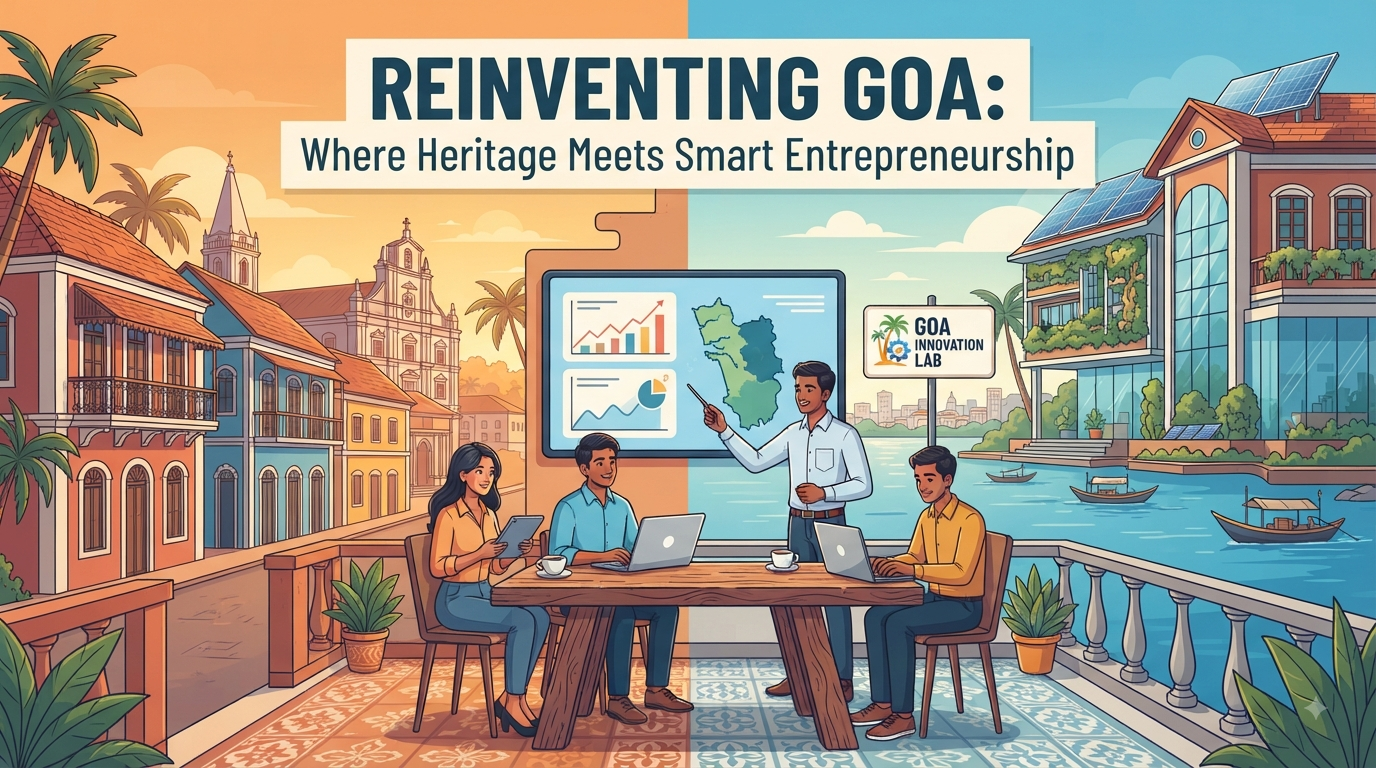
More founders are now building businesses that feel rooted in the state rather than merely located there. Around food traditions that have existed for generations. Around old homes with architectural soul. Around local crafts that once felt commercially niche. Around village life, natural spaces, and slower experiences — things people previously appreciated culturally, but rarely thought of as business opportunities. Platforms like Bizgoa quietly support this shift by giving local businesses a space to be seen. It helps founders share what makes their work truly Goan.
Goa Was Never Meant to Compete on Scale
It was never realistic for Goa to compete with larger startup ecosystems by doing more of everything. It does not have the size for that. But as Mark Twain once observed:
“It’s not the size of the dog in the fight, it’s the size of the fight in the dog.”
IThere are plenty of places where a business can operate. There are fewer places where a business can immediately inherit atmosphere, identity, and recognisable cultural character simply by being rooted there. Goa gives businesses that. Not automatically, of course. A founder still has to use it intelligently. But when used well, local identity can do something generic businesses struggle with: make people remember you.
A Lot of These “New” Businesses Are Built on Old Foundations
One of the more interesting things about Goa’s current business momentum is that many of the ideas themselves are not new. value often existed already. Sometimes for years.
Sometimes, for generations, the real shift is that people are seeing familiar things through a commercial lens. This is what the poet Pablo Neruda understood about his own land when he wrote:
“They can cut all the flowers, but they cannot keep Spring from coming.”
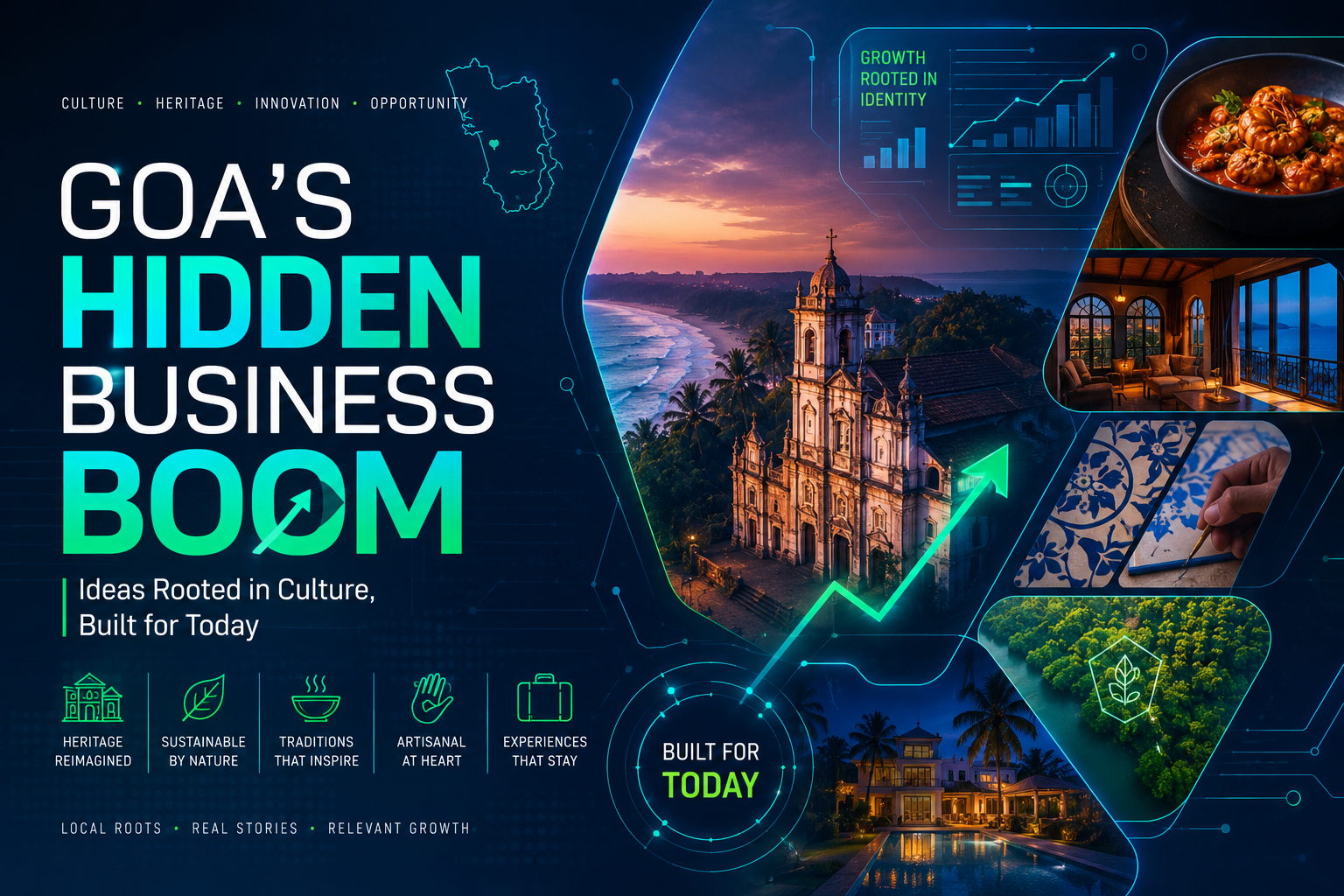
A family recipe is no longer just a family recipe—it becomes a packaged food business. A Portuguese-era house becomes a heritage stay. Traditional handmade products become design-led retail offerings. A routine local activity becomes part of an experience people will pay for. In many cases, nothing fundamentally changed except perception. Someone looked at something ordinary to locals and recognised that, to the right customer, it was not ordinary at all.
Heritage Is No Longer Just About Preservation
There was a time when heritage was discussed mostly in cultural terms. Important to preserve, yes. Worth celebrating, yes. Useful for business? Less commonly. That distinction is fading. Consumers increasingly value businesses that feel real—places with history, products with provenance, brands that do not seem manufactured in a meeting room.
Goa benefits from that shift naturally because authenticity is already embedded in much of the state’s identity. Businesses here often do not need to fabricate a story. They already have one. And when heritage is treated thoughtfully, it does more than create aesthetic value. It strengthens brand perception. It adds memorability. In some cases, it supports premium pricing simply because the offering feels more distinctive.
Tourism is still important, just different from before
“Not all those who wander are lost.”
— J.R.R. Tolkien, The Fellowship of the Ring
Tolkien’s wanderer is the modern traveller in Goa perfectly. Tourists have not disappeared — but their behaviour has transformed. People are increasingly less interested in experiences that feel generic or interchangeable. They are searching for something more local, more connected, more real.
That shift has benefited businesses offering:
- Heritage-led accommodation
- Local culinary experiences
- Nature retreats and eco-tourism
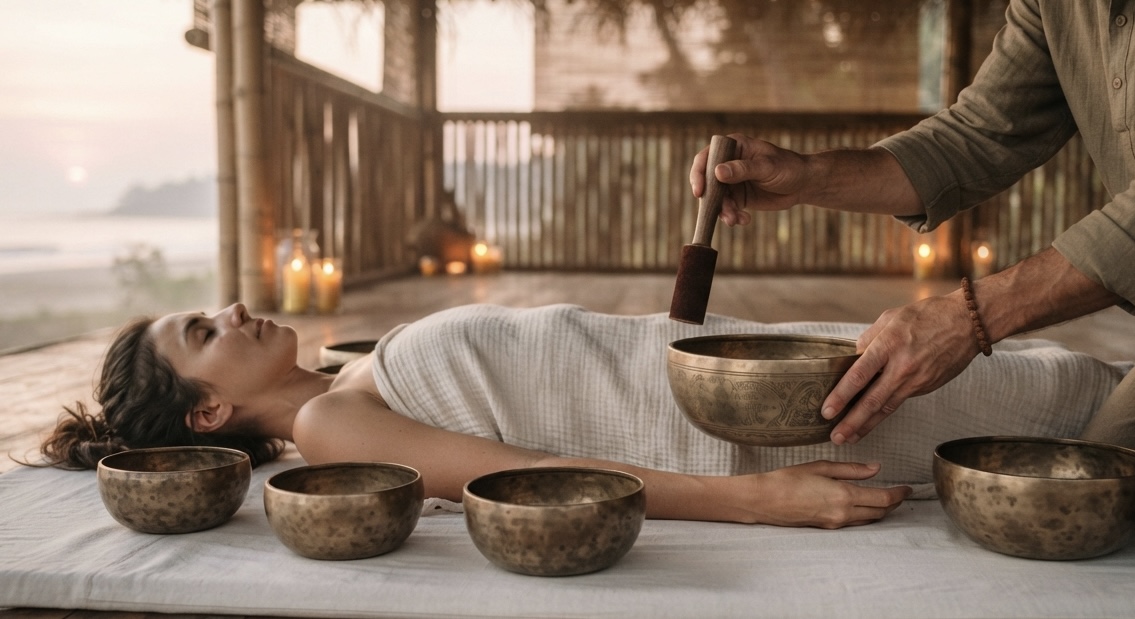
- Wellness and slow-living concepts
- Artisan workshops
- Highly curated hospitality experiences
The businesses seeing the strongest response are often the ones offering visitors something they believe they could not get elsewhere. That perception matters. Because when an experience feels unique to the destination, people usually value it more.
Sustainability Has Become Part of the Practical Equation
Goa’s environment has always been central to its appeal. It influences tourism. It shapes lifestyle decisions. It affects where and why people invest. So increasingly, businesses are treating sustainability less as idealism and more as common sense. Protecting the environment means protecting one of the state’s strongest economic assets.
That is part of why sustainability is becoming more visible across sectors such as hospitality, wellness, tourism, and local manufacturing. In many industries, it is no longer viewed as niche positioning. It is simply becoming expected.
The Best Opportunities Usually Make Sense in Context
The clearest pattern in Goa’s most promising businesses is simple: they feel like they belong there. The idea fits the region. The offering matches the environment. The business feels native to the place rather than imported from somewhere else.
Businesses that are deeply aligned with their environment differentiate more easily — and sustain relevance longer — than those built on borrowed trends.
Increasingly, the ventures gaining traction are not the ones trying to look like they could operate anywhere. They are the ones embracing the fact that they make sense specifically in Goa. As more businesses take that approach, platforms like BIZGOA are becoming increasingly relevant. By giving local entrepreneurs a dedicated space to showcase their ventures, improve visibility, and connect with audiences actively looking for Goan businesses, BIZGOA helps support the ecosystem behind this shift. In many ways, it is becoming part of the infrastructure, helping Goa’s next generation of businesses get discovered. And that may prove just as important as the boom itself.
Because in Goa, the most powerful business advantage was never a strategy.
It was always the place itself.
FAQ
What businesses are currently performing well in Goa?
Businesses connected to Goa’s lifestyle and identity are seeing strong traction, especially boutique stays, wellness retreats, artisan-led brands, food businesses, eco-tourism ventures, and heritage-based experiences.
Why is Goa attracting more entrepreneurs now?
It offers founders the ability to build differentiated businesses rooted in local culture, tourism demand, and lifestyle appeal.
How does Goa’s culture help businesses grow?
It helps businesses stand out, feel more authentic, and create stronger customer connections by offering something that feels tied to a real place.